

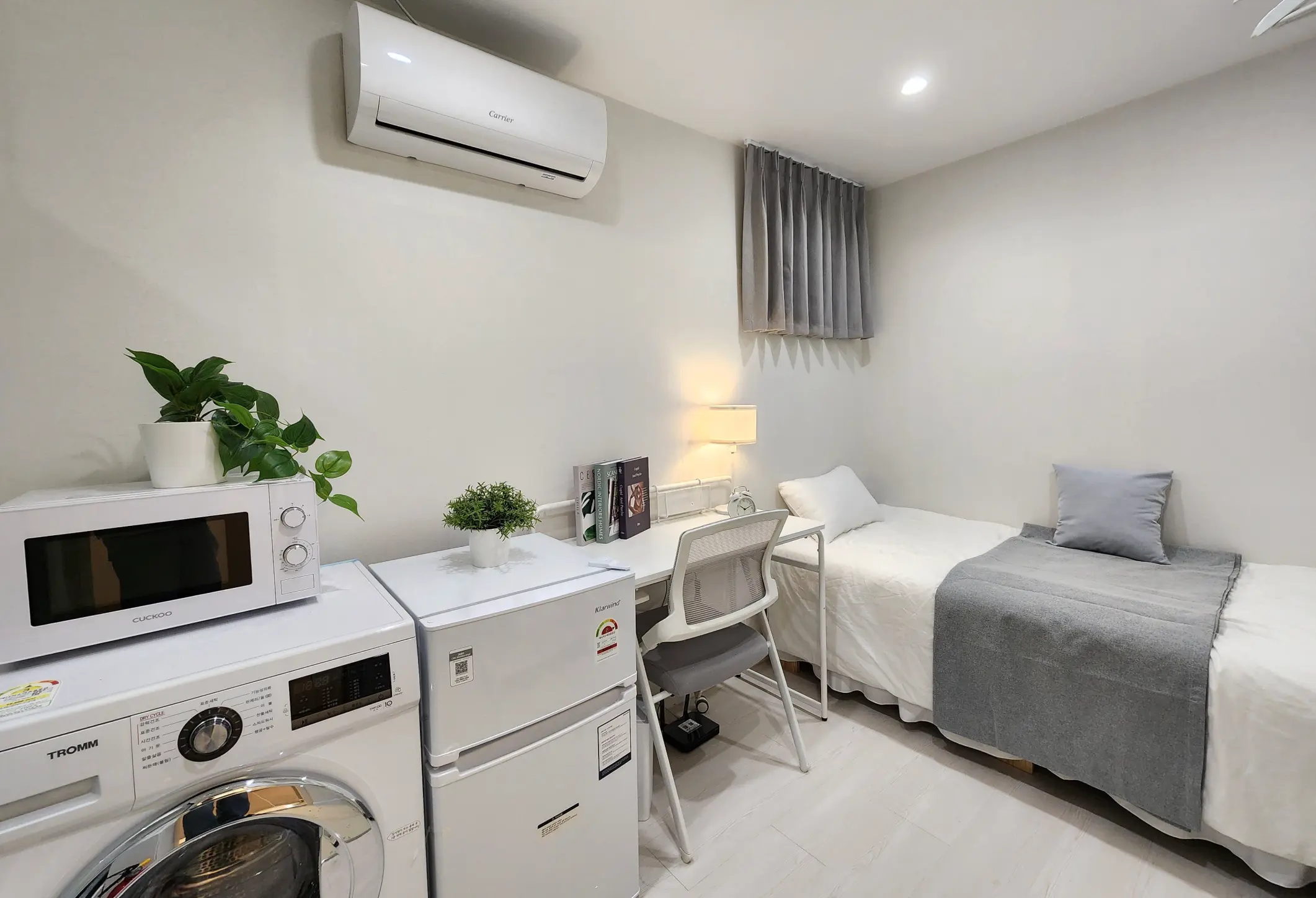
Coliving has integrated into the urban space as organically as coworking spaces once did. And this is logical, because the rhythm and format of society's life are changing, and therefore the real estate market is also adapting. But what is this new housing trend? Coliving is a rental format in which people live in private apartments, but use shared spaces and services. Its concept grew out of the need to have their own space with a limited budget. That is why coliving quickly became an alternative to traditional rental.
Our experts figured out how the new model works and why it is confidently gaining ground in large cities, what coliving formats are available, and analyzed the key advantages of this lifestyle. And of course, we didn't miss the topic of investments - can coliving become a promising direction for investments? We figured it all out and are telling you.
How does the co-living format work?

The coliving format was born as a response to changing lifestyles in large cities. People began to work remotely more often, travel more and move between countries, so traditional rentals were no longer convenient. The first modern (after all, the concept is not new) colivings appeared in New York and London as an attempt to create affordable housing in response to the rapid rise in real estate prices.
The main difference between coliving and renting a classic apartment is the service that residents receive. The cost of living usually includes utility bills, repairs, cleaning, etc. At the same time, coliving differs from a dormitory in the level of privacy and space standards: there are no crowded rooms and worn-out interiors.
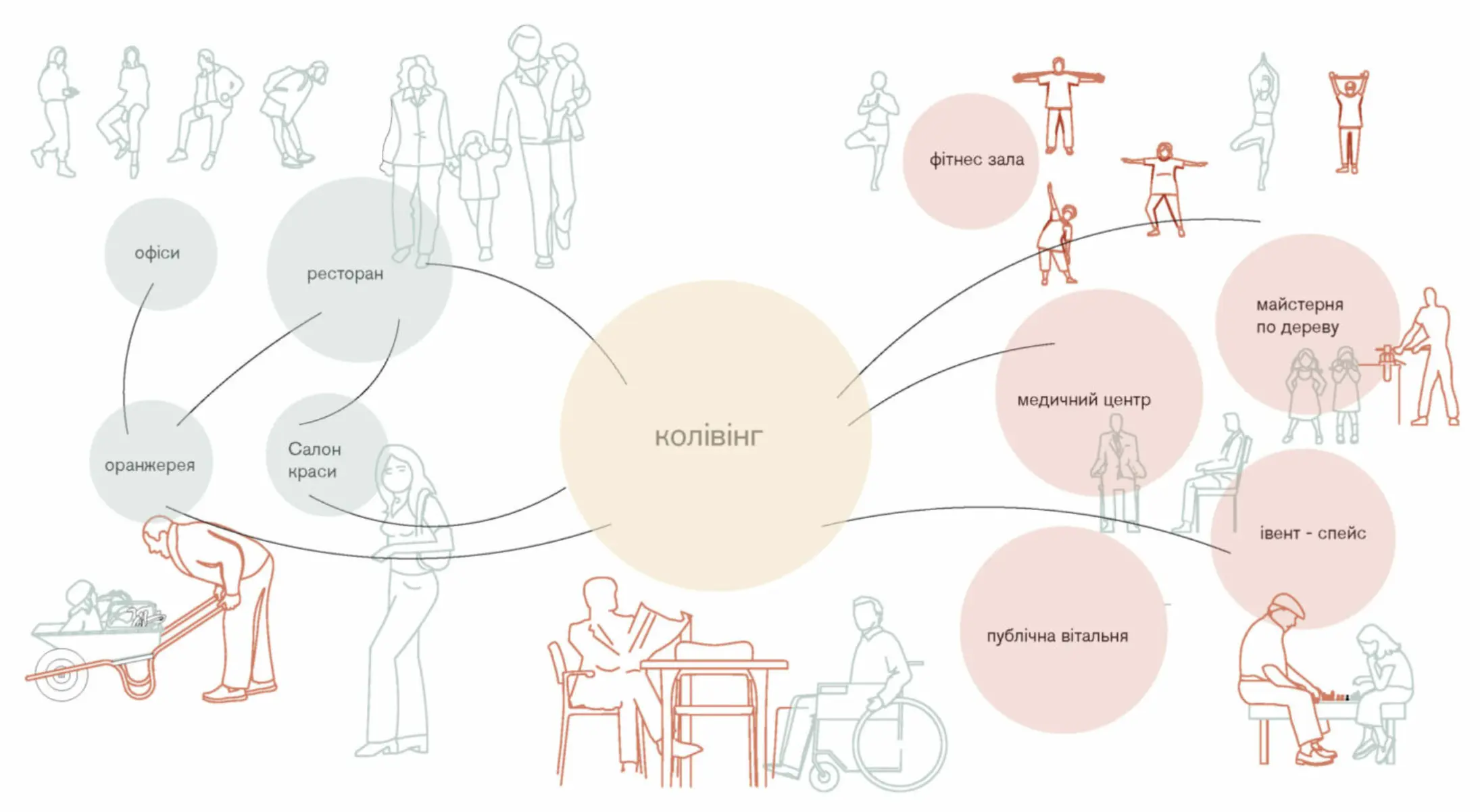
Usually these are private rooms or apartments of a small area (optimally for one or two people), and everything else is a common space shared with neighbors: large kitchens with separate dining areas, there may be a living room, lounge, gym, coworking, sometimes a terrace and event space. The layout is adjusted to the daily rhythm: in the morning, residents work in the coworking, in the evening they gather in common areas, and spend the rest of the time in private rooms. In other words, such housing creates favorable conditions for the formation of a friendly community.
Types of coliving
Co-living spaces vary in concept, so the segment is conventionally differentiated by location, cost, specialization, and area of the dwelling. One format operates in the city center, the other in the suburbs with a calmer rhythm. They are also located in modern residential complexes and converted industrial buildings, where old interiors are transformed into functional spaces for living and working.
Another significant advantage of co-living is the flexible payment model. Most residents are offered to pay either monthly or weekly. Sometimes you can even find co-living options with daily payment, which is especially convenient for those who often change their place of residence.
Most co-living spaces are open to everyone, but there are specialized communities on the market that create an environment around specific professions - for example, for IT specialists or representatives of the creative industries. The scale also varies: some spaces are designed for small groups of 10-15 residents, others for large communities of 50-100 people. This choice allows residents to choose the format according to their own pace, level of social interaction and daily habits.

Benefits of living in a coliving space
The popularity of coliving is not accidental. After all, the format combines housing, service and community, creating an environment in which the resident receives much more than just a room. People choose coliving for well-thought-out workspaces, the opportunity to save on rent and the absence of household worries. The community also plays an important role: in such spaces it is easier to make contacts, exchange experiences and find new opportunities.
Access to workspaces and coworking
In most co-living spaces, workspaces are part of the concept. Residents can work in a full-fledged co-working space with fast internet, meeting rooms and quiet areas. This eliminates the need to look for a separate office and pay for it, which saves money and time. The working infrastructure is mostly open 24/7, so it is suitable for those with a flexible schedule. In such spaces, it is easier to switch between work and rest thanks to thoughtful zoning.
Affordable rent
Co-living is usually more profitable than traditional rent, as the cost already includes utilities, furniture, appliances and service. The resident knows the exact amount he will pay each month, without surprises in the bills or additional payments. Savings also arise from space optimization and effective management by the management company. Plus, flexible rental terms are suitable for those who are not ready to sign long-term contracts or often change locations. For many young professionals, this is an opportunity to live comfortably without excessive expenses.
Networking, events and community life
And of course, community. Coliving creates an environment where people don’t just live together, but interact and find common interests. Regular events — from educational lectures to evening gatherings — create natural situations for getting to know each other. The community becomes an additional resource: it’s easier to find a partner for a project, get advice or support. Large colivings have managers who help new residents integrate faster. Ultimately, the home becomes a place where life becomes more social, structured and emotionally comfortable.
Rules of living in a coliving facility
But shared space also implies shared responsibility. People live in co-living spaces according to certain rules, compliance with which is mandatory. After all, this is the key to the comfort of each resident.
- Respect for the personal space of others. In coliving, everyone has a private room or apartment, so it is important not to enter without permission, not to disturb neighbors with loud conversations, and not to disturb the silence at night.
- Adherence to common area schedules. Kitchens, laundry rooms, coworking spaces, and lounges have established usage rules. This helps avoid queues, conflicts, and maintains a predictable schedule for all residents.
- Maintaining cleanliness. Even if the management company provides regular cleaning, residents are required to leave common areas tidy. This applies to kitchen utensils, work tables, and seating areas.
- Alcohol and party restrictions: Most coliving spaces allow moderate gatherings, but prohibit loud parties and excessive drinking to avoid disturbing others and violating general safety rules.
- Active participation in the community is optional. Events and meetups are an important part of the format, but participation is not mandatory. Residents can only participate when it suits their pace and interests.
- Fulfillment of technical and household requirements. This includes timely payment, proper use of equipment, compliance with safety rules, and reporting malfunctions to managers.
In short, all the requirements are the same as in any civilized space. Nothing unusual or impossible, just completely adequate conditions for the comfort of all the inhabitants of the space.
Who is the co-living housing format suitable for?
Co-living is a format that is not suitable for everyone, but for certain categories it becomes the optimal solution. Most often, they are the ones who get the most benefits from this format of living:
- Students and young professionals. Looking for affordable housing, quick adaptation to a new city, and the opportunity to meet like-minded people.
- Freelancers. Need a comfortable workplace without the expense of renting an office.
- Remote workers. They value the combination of housing and work infrastructure in one space.
- Digital nomads. They move frequently and don't want to waste time on everyday life and long-term contracts.
- People in the process of relocation. They need ready-made, turnkey housing for the first months in a new city.
When choosing a coliving space, you should focus on your own rhythm of life and expectations from the space. Some are looking for an intimate atmosphere, others for a dynamic community, so it is important to study the format of events, rules of residence, and number of residents. Special attention should be paid to the location and private space. The availability of transportation, proximity to work, quality of furniture, and state of the art technology affect comfort no less than the community itself. And, of course, it is worth visiting the coliving space in person: the atmosphere, service, and manner of interaction between residents often say more than any description or photo.
Coliving in Ukraine and the world
Co-living spaces have already gained some popularity around the world and have become part of the urban landscape in many countries, combining residential comfort and social opportunities. In particular, in Europe, projects such as The Collective in London, which brings together over 500 residents in a large complex with co-working spaces, a gym and recreation areas, and Urban Campus in Spain and France, where young professionals and students live in compact apartments with shared kitchens and lounges, are quite popular. In the US, a successful example is Common, a network of co-living spaces in several cities that offers ready-to-move-in rooms with furniture and organized events.
In Ukraine, this format is still in its early stages of development. For example, co-living in Kyiv ONE, which rents beautiful apartments with access to co-working spaces, a BBQ area, and a terrace. In Lviv, an example is vilnyy, which combines short-term and long-term rentals with work areas and an active community. Apartments of this network are also available in the capital, where they have already gained popularity among young people.
Investments in coliving
The popularity of co-living spaces in Ukraine continues to grow, and this housing format is becoming increasingly attractive not only for tenants, but also for investors. The increasing level of population mobility, the need for flexible living conditions and the development of new models of collaboration stimulate demand for the format. Renting in such spaces is no longer just a temporary solution for short-term residents, but is turning into an interesting and stable model for long-term living.
Investment formats
There are several formats for investing in coliving, each of which has its own characteristics and potential for profitability. The first is the purchase of a coliving facility, which involves purchasing real estate to convert it into a coliving space. In this case, the investor independently develops the concept, plans and manages the facility (or, of course, entrusts this matter to a real estate agency on a turnkey basis). This allows you to control all aspects of the business, but also requires significant capital investments at the start. Another format is investment in working projects, when the investor invests in a coliving that is already operating. In this case, the risks are reduced, since the business is already established, and it is possible to assess real occupancy and profitability indicators. The third option is equity participation, which allows the investor to participate in the project, receiving part of the profit without having to directly manage the facility.
Prospects
Investments in coliving can be quite profitable, given the quick payback period compared to classic rental options. Since coliving usually includes the cost of utilities, furniture, appliances, as well as various services, they attract regular tenants, which ensures a high level of occupancy. In this format, the benefits lie in higher profitability and the ability to adapt to the different needs of residents. As for the prospects of this segment in the Ukrainian market, the situation looks encouraging. The modern rental market requires more flexible and comfortable conditions for different categories of tenants - from students and young professionals to digital nomads and remote specialists. However, as in any business, there are certain risks: high competition, fluctuations in demand, as well as dependence on economic conditions. Therefore, before investing, it is important to carefully evaluate the projects and potential of a specific location.
Visnovok
So, coliving is no longer just a trend. It is a new format of housing in a modern city, which is gaining more and more popularity among those who value comfort, flexibility and social connections. After all, coliving combines privacy and shared spaces, allowing residents to organize work, rest and the social aspect of life without unnecessary household worries. These can be different concepts, from small apartments to large complexes with coworking spaces and recreation areas, which allows you to choose a format to suit your own needs and rhythm. Therefore, this modern model of urban life, combining financial feasibility with comfortable conditions, is already becoming a serious competitor to classic rental. For certain categories, it is undoubtedly the optimal solution.
In Ukraine, this format is developing rapidly, and successful examples of global and local projects demonstrate its effectiveness. Therefore, investing in co-living is a new opportunity to enter the real estate market and generate income. However, this option requires careful project selection and assessment of potential risks.


