Multi-storey residential buildings are real estate objects that differ in their structural scheme, construction method, wall materials, and operational characteristics. Types of buildings affect the possibilities of redevelopment, sound and heat insulation, features of housing maintenance, and durability of the structure. When buying a house, the name of the construction technology is not the only criterion.
Our experts analyzed the types of houses common in Ukraine. They compared them in terms of comfort, reliability, durability, cost, and redevelopment possibilities. Let's consider monolithic, panel, brick, and monolithic-frame houses with selection criteria in 2026.
Panel apartment buildings
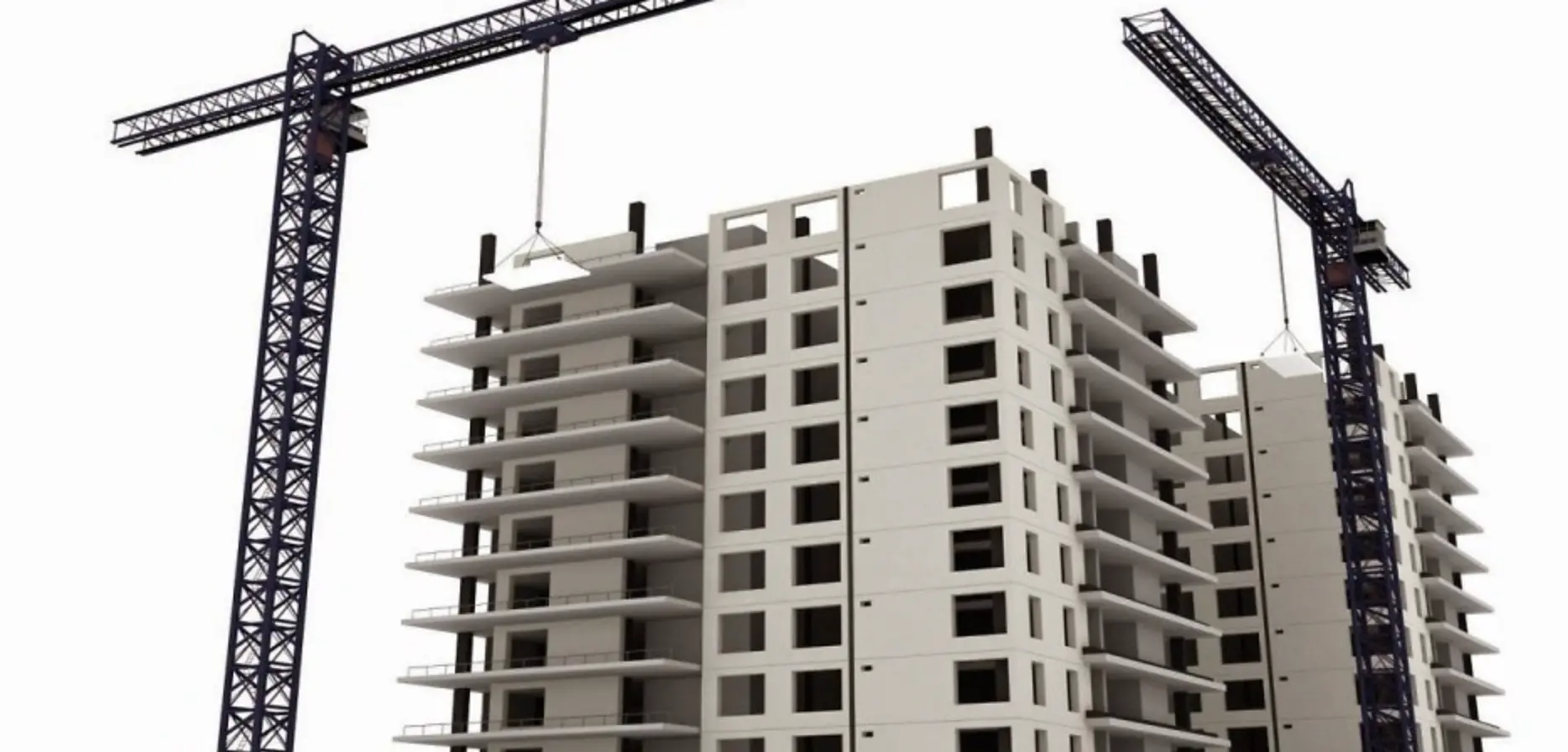
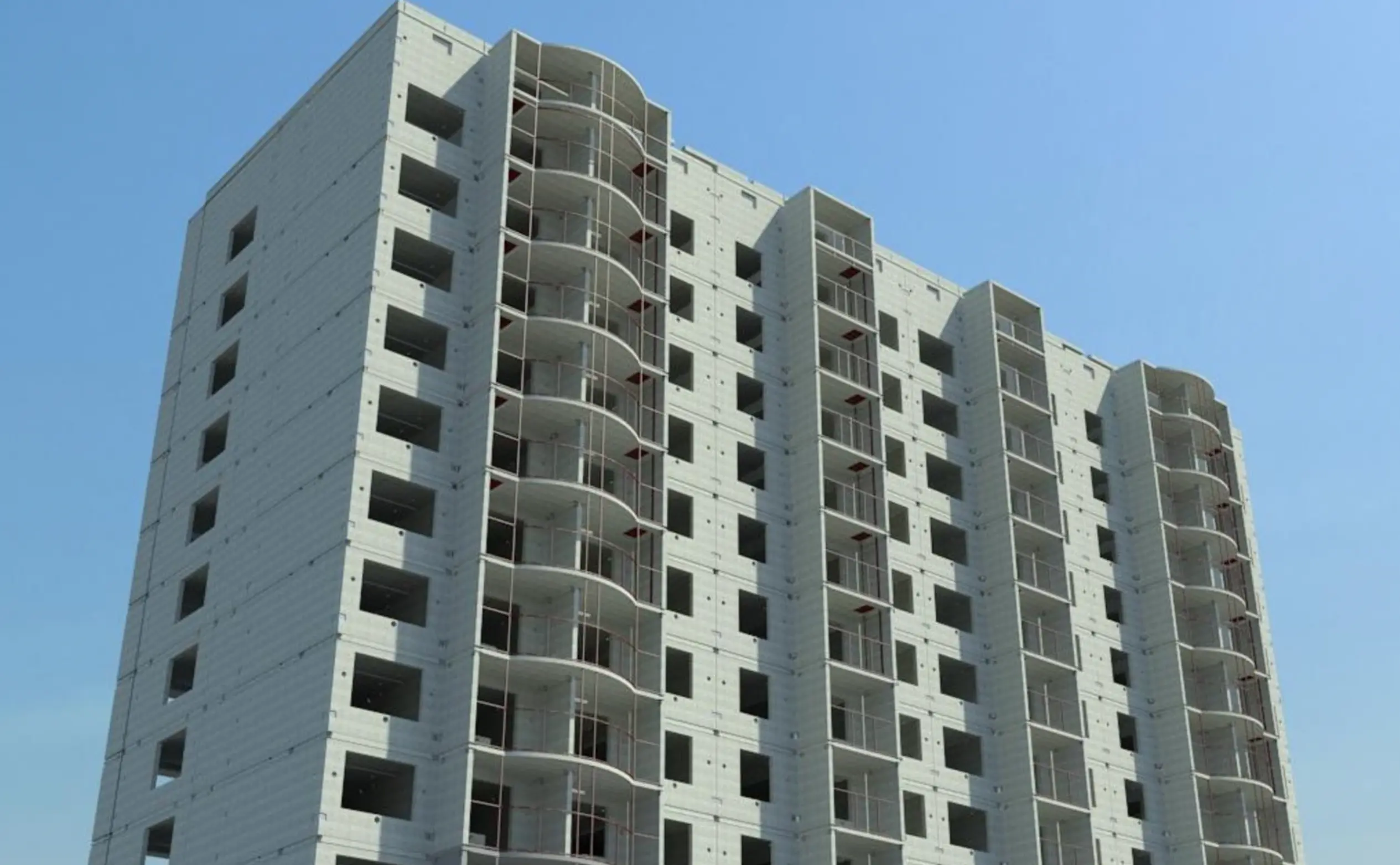
When considering which house is better, panel options are distinguished. They are built from reinforced concrete structures that are mounted on a construction site. This technology allows you to quickly build entire residential areas. Therefore, such houses are common among the buildings of past decades.
How are prefabricated houses built?
The structure is based on large factory panels. They are used to form ceilings, external and internal walls. The panels are connected to each other by joints and nodes for integrity.
Reliability
Provided that the project is of high quality, proper operation and installation, panel types of residential buildings are reliable. Based on the age of the building, it is impossible to say that it is in danger of failure. The technical condition of the facility is assessed separately.
Comfort
Thermal resistance depends on the thickness of the panels, the design of the external walls, the presence of insulation, and the condition of the joints. Interpanel seams are a source of heat loss and drafts. Sound insulation depends on the thickness and design of the ceiling and interior walls.
Cost and service life
On the secondary market, panel types of multi-storey residential buildings have a lower price. The estimated period of operation is determined taking into account the characteristics of the project, structures, materials, maintenance, and technical condition.
Advantages and disadvantages
Advantages:
- clear structural diagram;
- rapid construction;
- affordable price;
- a large number of offers;
- developed infrastructure around the arrays.
Among the disadvantages are the need for insulation, problems with interpanel joints, worn-out engineering systems, and redevelopment limited by how load-bearing walls are placed.
Monolithic houses
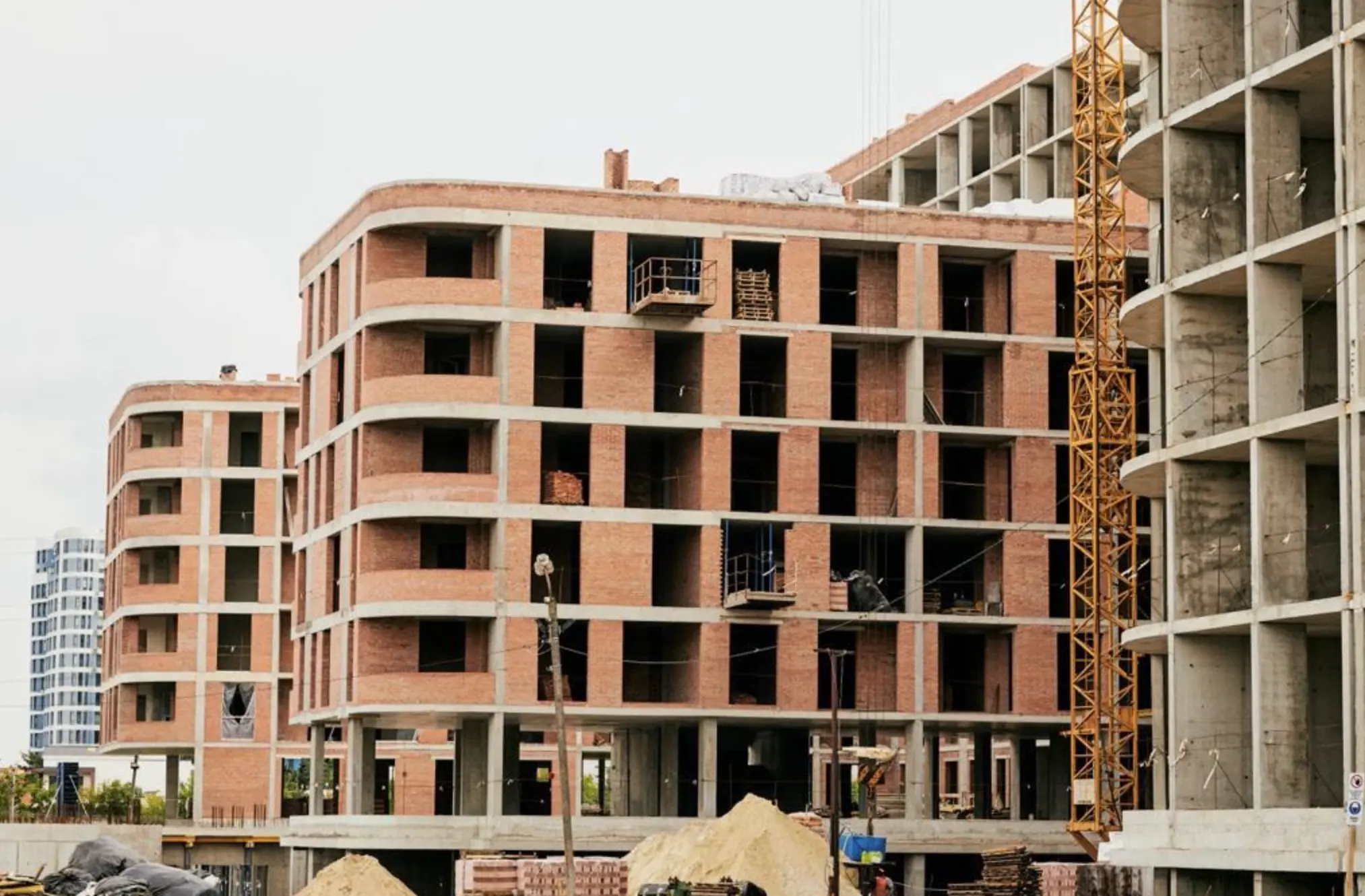
Monolithic houses are built by pouring concrete mixture into formwork. Concrete forms integral structural elements after gaining strength. Depending on the project, the specific construction scheme may vary.
How are monolithic houses built?
At the construction stage, formwork and a reinforcing frame are installed, followed by concreting. A monolithic element is formed after hardening. This allows you to create various layouts and complex structures.
Reliability
High strength and rigidity are guaranteed by a monolithic structure. Reinforcement, concrete quality, concreting technology, foundation, and work control are important.
Comfort
Concrete does not guarantee high thermal insulation. For comfort, the planning of the facade system, external walls, and insulation is important. Sound insulation depends on inter-apartment walls, ceilings, and partitions.
Cost and service life
Monolithic types of residential buildings are represented in the modern housing segment. The cost depends on the district, area, project class, sales stage, engineering. The estimated service life is established by the project documentation.
Advantages and disadvantages
Advantages:
- various layouts;
- spatial durable construction;
- modern engineering systems;
- large spans.
Among the disadvantages are the need for high-quality insulation, high cost, and the dependence of quality on construction technology.
Monolithic-frame houses
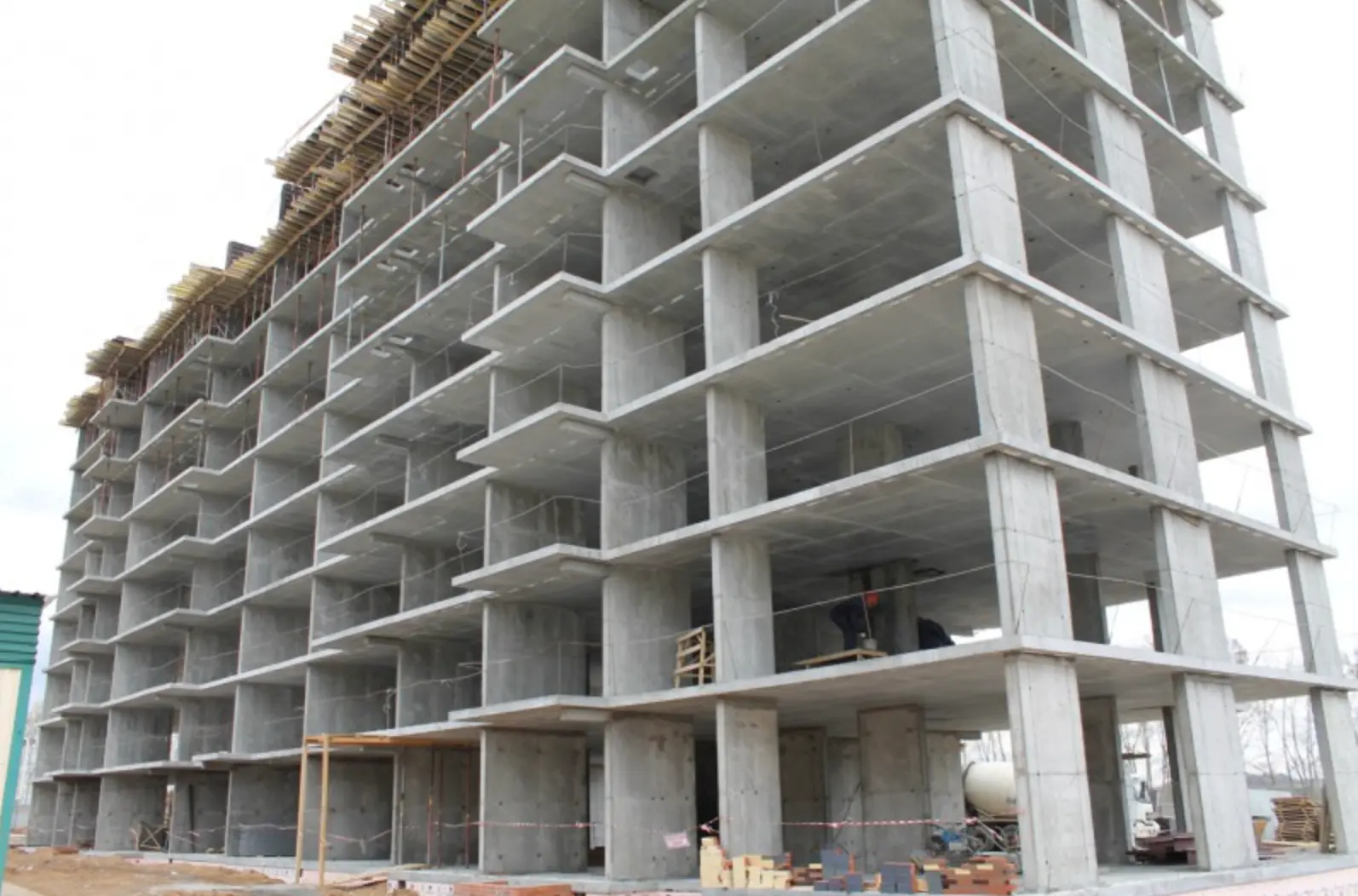
The combination of a reinforced concrete frame with load-bearing partitions and walls is typical for monolithic-frame houses. The frame can consist of beams, columns, floor slabs. The filling is made of blocks, bricks and other materials.
Design features
The internal layout can be flexible, as the load is transferred through the frame. This is different from houses that have a large number of supporting structures. The specific scheme is determined by the project.
Reliability
Reliability is determined by the quality of the frame, foundation, reinforcement, concrete, and joints. The operational comfort of the house is affected by the quality of the infill walls and the strength of the frame.
Comfort
Thermal insulation depends on the facade insulation and the material of the external walls. Sound insulation is determined by the presence of partitions, ceilings, and inter-apartment walls. Cold bridges occur near windows, in the corners of walls, and at the junctions of different materials.
Cost and service life
Due to the flexibility of planning, monolithic-frame types of houses and architectural structures are popular in modern construction. The price depends on materials, quality of the project, area, reputation of the developer, engineering. The service life depends on maintenance and technical condition.
Advantages and disadvantages
Advantages:
- a small number of load-bearing walls;
- flexible planning;
- modern engineering solutions;
- creating open spaces.
Among the disadvantages are the lack of a guarantee of good sound insulation, dependence on the quality of the developer, and different wall characteristics.
Brick houses
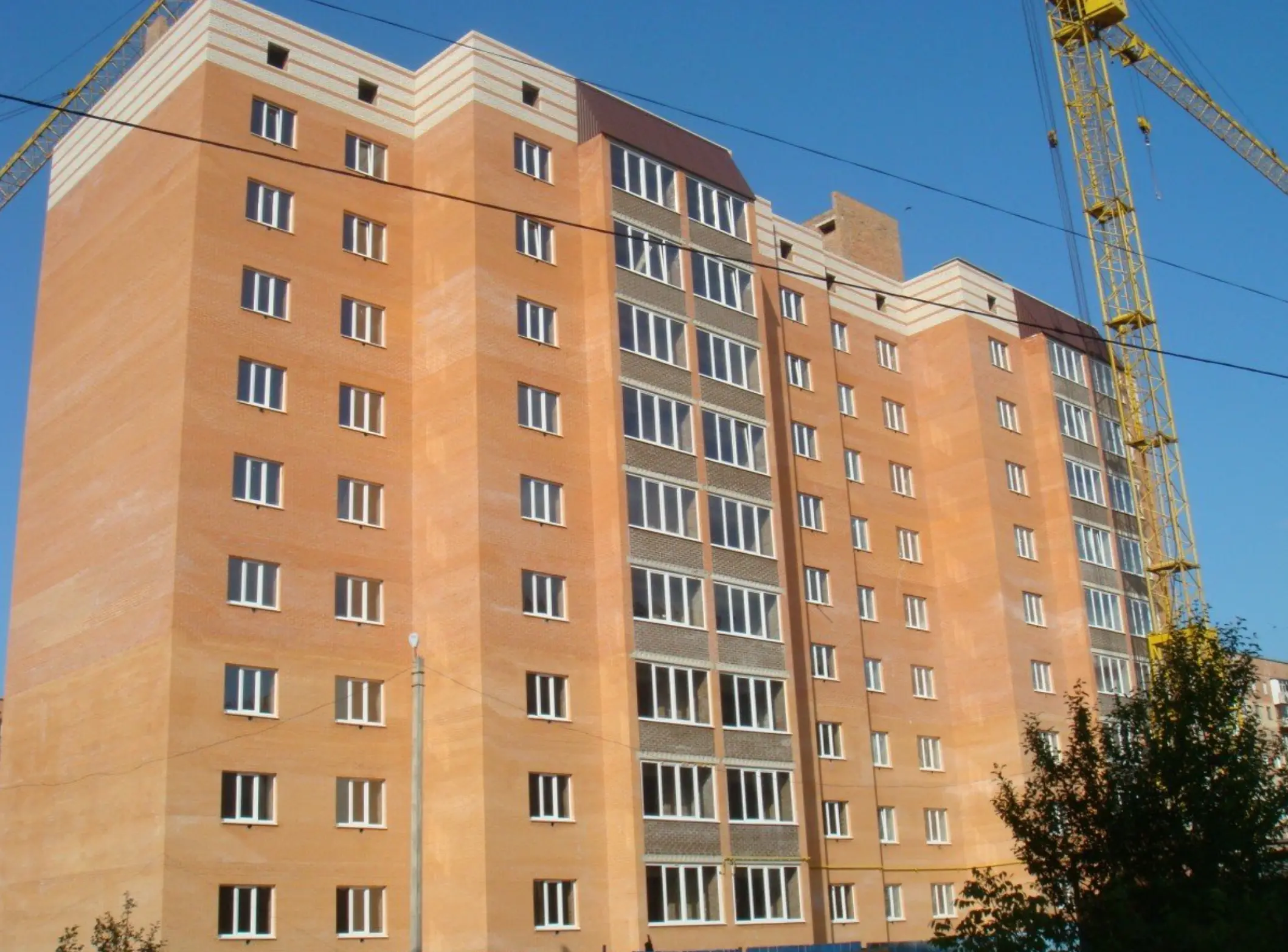
Brick houses are built from silicate or ceramic bricks. They are used as a filling for frame structures or load-bearing walls. The quality of brick construction depends on the foundation, insulation, wall thickness, floors, and year of construction.
Reliability
Brickwork can be used for a long time. In the secondary market, the condition of the masonry, facade, floors, foundation, roof is checked. Particular attention is paid to traces of moisture, cracks, peeling of the finish and deformation.
Comfort
Brick has a significant thermal mass, but this does not mean that all brick houses are warm. Old buildings often require insulation of the attic, facade, basement. Sound insulation depends on the thickness of partitions, ceilings, walls. Performance characteristics deteriorate with constant moisture in the masonry.
Cost and service life
The cost of brick housing depends on the region and year of construction. An old brick house may have an affordable price, but it is important to take into account the condition of the facade, engineering systems, common areas, and roof. Different settlement terms are provided for by regulatory documents depending on the design of the house.
Advantages and disadvantages
Advantages:
- good thermal inertia;
- durability of masonry;
- a large number of offers on the secondary market;
- high acoustic comfort.
Among the shortcomings, worn-out networks, high heat consumption without insulation, and limited redevelopment are often highlighted.
Comparison of house types
Before buying an apartment, it is wrong to compare options only by wall material. The condition of the structure, year of construction, engineering systems, insulation, and quality of service are important. The table will help you assess general trends.
| Parameter | Panel | Monolithic | Monolithic-frame | Brick |
| Thermal insulation | Depends on insulation and panels | Depends on the facade | Depends on insulation and filling | Depends on insulation and thickness |
| Reliability | Добра | исока | исока | Good or high |
| Sound insulation | Good or average | Depends on the design | Depends on the floors and walls | Good for massive walls |
| Durability | Depends on the condition of the joints | Depends on the project | Depends on the frame | исока |
| Cost | Available on the secondary market | Medium or high | Medium or high | Depends on age |
| Replanning | Limited | Flexible | Relatively flexible | Limited by load-bearing walls |
The different classification of residential buildings is reflected in the differences between indicators of reliability, heat and sound insulation, durability, redevelopment possibilities, and cost.
What should you pay attention to when choosing an apartment?
The starting point during purchase is the type of house. It is very important to evaluate a specific object: technical condition, age, insulation, communications, location, floor and documents. These characteristics determine the real level of comfort and future costs.
Year of construction and condition of the house
You need to check the history of major repairs and the year the building was put into operation. It is important to inspect the basement, facade, roof, elevator, stairwells, and common areas.
Engineering communications
It is worth finding out the condition of the water supply system, electrical networks, heating, sewage, ventilation. High-quality walls in an old house do not compensate for worn-out engineering systems.
Warming
Check balconies, windows, facade insulation, possible cold bridges and joints. You should find out about real heating costs for previous seasons in secondary housing.
Over
Humidity, basement condition, safety, and thermal insulation are especially important on the first floor. For the top floor, the technical floor and roof are checked. Corner apartments require attention to external wall insulation.
Replanning
The actual layout of the apartment must correspond to the technical documentation. Before large-scale renovation, it is necessary to determine the structural scheme and check the admissibility of the planned work.
What to choose in 2026?
There is no universally best type of residential building in 2026. The choice depends on the purpose of the purchase, budget, age of the building, area, construction technology, layout, and energy efficiency. A well-maintained house of one type may be better than a problematic house of another type.
For those looking for affordable housing
A panel apartment building on the secondary market will help reduce the starting budget. Before purchasing, it is important to consider the costs of repairs, insulation, replacement of windows, and communications.
For those who buy an apartment in a new building
In a new building, the actual quality and documents are not evaluated, but rather advertising. It is worth checking the windows, insulation, heating, ventilation, elevators, noise insulation, the condition of common areas, and backup power.
For those considering the secondary market
The ability to evaluate the house in real operation is an advantage of secondary housing. It is worth checking the elevator, water, heating, electricity, basement, roof and talking to neighbors. You need to evaluate the entire house, not a separate apartment.
Visnovok
Panel, monolithic, monolithic-frame and brick houses have different design features. None of them can be called the best option exclusively for all buyers. Practical recommendations are highlighted:
- check the technical condition of the house and the year of construction;
- do not choose housing only based on the material of the walls;
- find out the level of heating costs and the condition of communications;
- inspect the basement, roof, facade and elevator;
- compare actual planning with documents;
- check for cold bridges and the quality of insulation;
- Order a professional technical inspection.
The result of the choice depends on the specific house, its technical condition, age, quality of insulation, construction, operating conditions and communications.